Boosting Mental & Physical Health and Fostering Control and Accomplishment
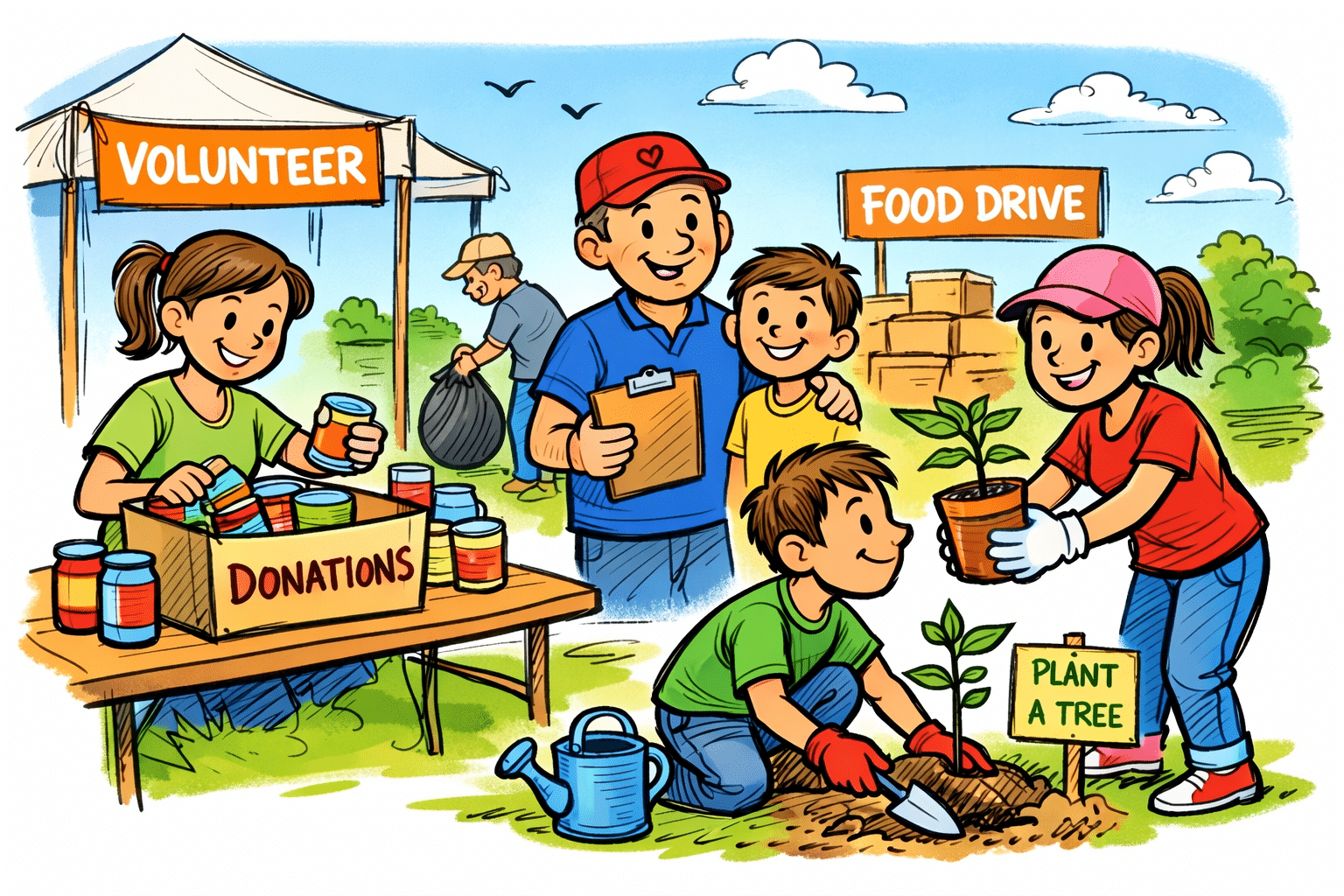
Volunteering is much more than just giving your time—it offers profound personal benefits that improve your overall well-being and sense of purpose.
1. Improves Mental Health
- Reduces Stress and Depression:
Engaging in volunteer activities helps distract from daily stressors and negative thoughts. By focusing on helping others, volunteers often experience lower levels of anxiety and depression. The social connection and sense of contribution reduce feelings of isolation and loneliness, which are major factors in mental health struggles.
- Enhances Mood and Self-Esteem:
Acts of kindness and community service release neurotransmitters like dopamine and serotonin—chemicals in the brain linked to happiness and well-being. Knowing you’ve made a positive impact boosts self-worth and pride, promoting a more optimistic outlook on life.
- Provides Social Connection:
Volunteering often takes place in group settings or through organizations, creating opportunities to meet new people and form friendships. Strong social networks are key to resilience and mental wellness.
- Gives Purpose and Meaning:
Helping others taps into a fundamental human need for purpose. Volunteers often report a deeper sense of meaning and satisfaction in their lives, which acts as a protective factor against mental decline and burnout.
2. Improves Physical Health
- Increases Physical Activity:
Many volunteer roles involve physical tasks—whether organizing events, building homes, or running programs—that keep the body active and healthy. Regular physical activity improves cardiovascular health, strength, and stamina.
- Lowers Blood Pressure and Promotes Longevity:
Studies have shown that people who volunteer regularly tend to have lower blood pressure and reduced risk of chronic diseases. Volunteering has even been linked to longer life expectancy, partly due to its positive effects on stress reduction and healthy behaviors.
- Enhances Cognitive Function:
Volunteering engages the mind—planning, problem-solving, and learning new skills—which can help maintain cognitive sharpness, especially in older adults.
3. Provides a Sense of Control
- Empowers Decision-Making:
Volunteering often gives people a chance to take initiative, lead projects, or contribute ideas. This sense of agency counters feelings of helplessness or passivity that sometimes come with life’s challenges.
- Creates a Structured Role:
Having a volunteer role provides routine and responsibility, helping individuals feel grounded and purposeful. This structure contributes to a feeling of mastery over one’s time and choices.
- Fosters Ownership:
When volunteers see the direct impact of their efforts, it strengthens their feeling of control over outcomes and builds confidence in their ability to effect change.
4. Gives a Sense of Accomplishment
- Measurable Impact:
Volunteering often involves completing specific tasks or contributing to clear goals, which provides tangible proof of achievement. This reinforces self-esteem and pride.
- Recognition and Feedback:
Many organizations acknowledge volunteer efforts through awards, thank-yous, or public recognition, which boosts morale and motivates continued participation.
- Personal Growth:
The challenges faced and skills gained while volunteering—communication, leadership, teamwork—contribute to a strong sense of personal development and fulfillment.
- Strengthens Identity:
Being a volunteer becomes part of a person’s identity, reinforcing positive self-image and belonging within a community.
Summary
Volunteering is a powerful tool for enhancing mental and physical health by reducing stress, promoting social connections, increasing activity, and boosting cognitive function. It also provides a vital sense of control by empowering individuals to make decisions and take charge, and it delivers a profound sense of accomplishment through visible impact and personal growth. Together, these benefits make volunteering one of the most rewarding and health-promoting activities people can engage in.